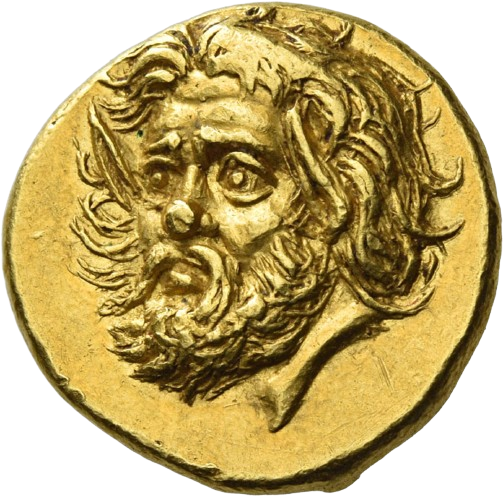
As coin collecting grows in popularity, so does the market for counterfeits and replicas. The good news is that with a little knowledge and the right tools, most fakes can be spotted. Here’s how to identify genuine old coins and protect yourself from forgeries.
1. Weight and dimensions
Genuine coins were struck to precise official standards. Counterfeits are often slightly off in weight, diameter or thickness because forgers use different metals or moulds. A small digital scale (accurate to 0.01 g) and a digital caliper are a collector’s best friends. Compare your coin’s specifications against a trusted catalogue.
2. The “ring” test
Genuine silver coins produce a long, clear ringing tone when gently balanced on a fingertip and tapped. Many cast fakes or base-metal copies give a dull, short thud. This is a helpful indicator but not foolproof on its own.
3. Magnetism
Most genuine silver, copper and gold coins are not magnetic. If a coin that should be silver or copper sticks to a magnet, it likely contains iron or steel and is almost certainly fake. (Note: some genuine modern coins are intentionally magnetic, so always check the catalogue.)
4. Examine the details under magnification
Use a 10x loupe to inspect:
- Sharpness of lettering — genuine struck coins have crisp, well-defined letters; cast fakes look soft, rounded or “mushy”.
- Seams — a raised line around the edge can indicate a coin cast in a two-part mould.
- Repeated surface bubbles or pits — tiny bubbles are a classic sign of a cast counterfeit.
- Tooling marks — scratches where someone has “added” or sharpened detail.
5. Check the date and type combination
Forgers often create coins that never officially existed — a real-looking design with an impossible date, mint mark or denomination. Cross-check every coin against a standard reference. If the combination doesn’t appear in any catalogue, be very cautious.
6. Beware of common fakes
Certain high-value coins are faked far more often than others — gold mohurs, rare British India silver rupees, and famous “rare date” issues. The higher the value, the more scrutiny it deserves. When a price seems far below market, treat it as a warning sign.
7. Buy from trusted sources
The simplest protection is to buy from sellers who guarantee authenticity and accept returns. At Coinbazaar, every listing is checked, counterfeits are prohibited, and our return policy protects you if an item is not as described.
When in doubt, get it certified
For expensive pieces, consider third-party grading and authentication. A certified coin in a sealed holder gives you and any future buyer peace of mind.
With practice, spotting fakes becomes second nature — and your collection stays genuine.