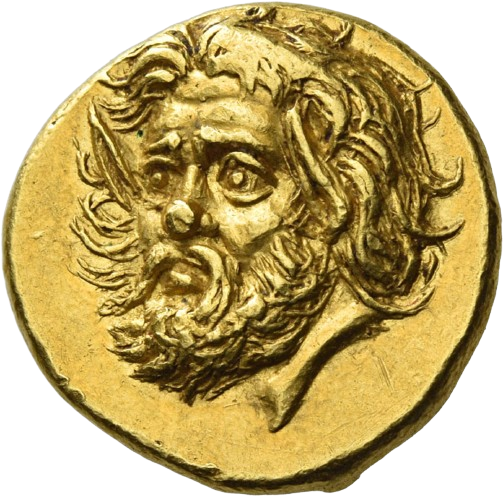
A coin can survive a hundred years in a drawer and then be ruined in a single afternoon by careless handling or storage. Protecting your collection is just as important as building it. Here’s how to store and care for your coins so they keep their condition — and their value.
The golden rule: never clean your coins
It’s tempting to make an old coin shiny, but cleaning is the single biggest mistake new collectors make. Abrasives, acids, ketchup, toothpaste and metal polish all leave hairline scratches and strip the natural surface, drastically lowering value. Collectors strongly prefer original, naturally-toned coins. When in doubt, do nothing.
Handle coins correctly
- Always hold a coin by its edge, between thumb and forefinger — never touch the faces.
- Skin oils and sweat are acidic and cause spotting over time.
- For valuable coins, wear soft cotton or nitrile gloves.
- Work over a soft cloth or padded surface so a dropped coin isn’t dented.
Choose the right holders
- Acid-free, PVC-free flips and holders — PVC slowly releases chemicals that leave a green, sticky film (“PVC damage”) on coins. Use only archival-safe, inert materials.
- 2×2 cardboard holders with mylar windows — inexpensive and great for everyday storage.
- Coin capsules — rigid plastic capsules for higher-value pieces.
- Albums and trays — convenient for viewing a series; ensure pages are PVC-free.
- Slabs — professionally graded coins come permanently sealed for maximum protection.
Control the environment
- Humidity is the enemy. Moisture causes toning, spotting and corrosion. Keep coins in a cool, dry place and add silica-gel desiccant packs to your storage box.
- Avoid temperature swings, which cause condensation.
- Keep away from PVC plastics, rubber bands, certain woods and household chemicals, all of which emit damaging vapours.
Store paper currency carefully too
Banknotes need acid-free currency sleeves, kept flat and away from light and humidity. Never laminate or tape a note — it destroys collector value.
Keep records and insure
Maintain an inventory with photos, purchase dates, grades and prices. This helps with insurance, future selling, and simply enjoying your collection. For valuable holdings, consider a bank locker or a quality home safe, and insurance cover.
Buy protection-ready
Many items on Coinbazaar arrive in protective holders, and our packaging is designed to keep coins safe in transit. Treat them well, and they’ll stay beautiful for the next generation of collectors.
Few areas of collecting are as popular in India as the coins of British India. Struck between 1835 and 1947, these coins tell the story of an era and remain affordable enough for beginners while offering rarities that excite advanced collectors. Here’s what to look for.
A brief timeline
- East India Company (to 1858) — uniform coinage began in 1835 with the famous William IV and Victoria portraits.
- Queen Victoria (1858–1901) — after 1858 the Crown ruled directly; “Victoria Queen” and later “Victoria Empress” rupees are widely collected.
- Edward VII (1902–1910), George V (1911–1936) and George VI (1937–1947) — each monarch’s portrait series offers many dates and mint marks to pursue.
Key denominations to collect
- Copper / bronze: 1/12 anna, half pice, quarter anna, one pice — affordable and ideal for a date run.
- Nickel & cupro-nickel: one anna, two annas, the distinctive scalloped issues of George V and VI.
- Silver: quarter, half and one rupee — the backbone of any British India collection.
- Gold: the mohur and sovereign-style issues — the prestige rarities.
Mint marks matter
British India coins were struck at several mints, and a tiny mint mark beneath the date or on the reverse tells you where: Calcutta (no mark), Bombay (a small “B” or dot), Lahore (“L”), and others. For some dates, one mint is common and another is scarce — so always check the mint mark, not just the date.
Famous rarities and varieties
Collectors prize certain key dates and varieties — for example, particular years where mintage was low, or design varieties like the “pig” rupee nickname given to a poorly-engraved George V portrait. Learning these varieties is part of the fun and can turn an ordinary-looking coin into a valuable find.
Condition and value
Because millions of these coins circulated, well-worn examples are common and inexpensive. Value rises steeply with condition: a crisp Extremely Fine or Mint State example of a scarce date is where the real premiums lie. Silver coins with attractive natural toning are especially sought after.
Watch for fakes
High-value silver rupees and gold mohurs are among the most counterfeited Indian coins. Apply the checks in our guide on identifying genuine coins — weight, magnetism, and sharp struck detail — and buy only from sellers who guarantee authenticity.
Start your British India collection
Browse a curated, authenticated selection on Coinbazaar, where every British India coin is graded and photographed in detail. It’s an ideal series to begin with — rich in history, wide in choice, and rewarding at every budget.
When you buy or sell a coin, one word matters more than almost any other: its grade. Grading describes a coin’s state of preservation, and it directly affects value — the same coin in worn condition versus mint condition can differ in price by many times. This guide explains the grading scale every collector should know.
What is coin grading?
Grading is the process of evaluating how much wear and damage a coin has suffered since it was struck. Two factors drive the grade: wear (loss of detail from circulation) and surface quality (scratches, marks, toning and eye appeal).
The grading scale
Collectors traditionally use descriptive grades, which also map to the 70-point Sheldon numeric scale used internationally:
- Poor / Fair (P-1 to FR-2) — barely identifiable, very heavy wear.
- Good (G-4 to G-6) — heavily worn; major designs visible but flat, rims worn.
- Very Good (VG-8 to VG-10) — worn but all major details clear.
- Fine (F-12 to F-15) — moderate even wear; lettering and details mostly sharp.
- Very Fine (VF-20 to VF-35) — light to moderate wear on high points; good detail.
- Extremely Fine (EF/XF-40 to XF-45) — slight wear only on the highest points; sharp detail.
- About Uncirculated (AU-50 to AU-58) — only a trace of wear; much original lustre remains.
- Mint State / Uncirculated (MS-60 to MS-70) — no wear at all; graded by surface marks and lustre, with MS-70 being flawless.
Why grade matters for value
Demand rises sharply with quality. A common coin in worn “Good” condition may be inexpensive, while the very same coin in “Mint State” can command a large premium because far fewer survived in pristine condition. For key dates, even a one-grade difference can mean a significant price jump.
Eye appeal and toning
Beyond technical wear, “eye appeal” influences value. Attractive natural toning, full lustre and a clean strike make a coin more desirable, while ugly spots, scratches or signs of cleaning reduce it — even at the same technical grade.
Never clean your coins
It bears repeating: harsh cleaning permanently lowers a coin’s grade and value. Experienced collectors prefer original, naturally-toned surfaces over a coin that has been polished bright.
Third-party grading
For valuable coins, professional grading services seal coins in tamper-evident holders (“slabs”) with a certified grade. This provides confidence and liquidity when buying or selling.
How we grade at Coinbazaar
Every item on Coinbazaar is described using these recognised standards, with high-resolution photographs so you can judge condition yourself before you buy. If you’re unsure about a grade, just ask our team.
As coin collecting grows in popularity, so does the market for counterfeits and replicas. The good news is that with a little knowledge and the right tools, most fakes can be spotted. Here’s how to identify genuine old coins and protect yourself from forgeries.
1. Weight and dimensions
Genuine coins were struck to precise official standards. Counterfeits are often slightly off in weight, diameter or thickness because forgers use different metals or moulds. A small digital scale (accurate to 0.01 g) and a digital caliper are a collector’s best friends. Compare your coin’s specifications against a trusted catalogue.
2. The “ring” test
Genuine silver coins produce a long, clear ringing tone when gently balanced on a fingertip and tapped. Many cast fakes or base-metal copies give a dull, short thud. This is a helpful indicator but not foolproof on its own.
3. Magnetism
Most genuine silver, copper and gold coins are not magnetic. If a coin that should be silver or copper sticks to a magnet, it likely contains iron or steel and is almost certainly fake. (Note: some genuine modern coins are intentionally magnetic, so always check the catalogue.)
4. Examine the details under magnification
Use a 10x loupe to inspect:
- Sharpness of lettering — genuine struck coins have crisp, well-defined letters; cast fakes look soft, rounded or “mushy”.
- Seams — a raised line around the edge can indicate a coin cast in a two-part mould.
- Repeated surface bubbles or pits — tiny bubbles are a classic sign of a cast counterfeit.
- Tooling marks — scratches where someone has “added” or sharpened detail.
5. Check the date and type combination
Forgers often create coins that never officially existed — a real-looking design with an impossible date, mint mark or denomination. Cross-check every coin against a standard reference. If the combination doesn’t appear in any catalogue, be very cautious.
6. Beware of common fakes
Certain high-value coins are faked far more often than others — gold mohurs, rare British India silver rupees, and famous “rare date” issues. The higher the value, the more scrutiny it deserves. When a price seems far below market, treat it as a warning sign.
7. Buy from trusted sources
The simplest protection is to buy from sellers who guarantee authenticity and accept returns. At Coinbazaar, every listing is checked, counterfeits are prohibited, and our return policy protects you if an item is not as described.
When in doubt, get it certified
For expensive pieces, consider third-party grading and authentication. A certified coin in a sealed holder gives you and any future buyer peace of mind.
With practice, spotting fakes becomes second nature — and your collection stays genuine.
Coin collecting, or numismatics, is one of the oldest and most rewarding hobbies in the world. In India, with its 2,500-year monetary history spanning punch-marked coins, Mughal mohurs, princely-state issues, British India rupees and modern Republic commemoratives, there has never been a better place to start. This beginner’s guide will help you take your first confident steps.
Why collect coins?
People collect coins for many reasons: a love of history, the thrill of the hunt, the artistry of the designs, or as a long-term store of value. Each coin is a small piece of history you can hold in your hand — a British India quarter anna may have passed through a village market in 1905, while a 1947 rupee witnessed independence itself.
Choose a focus
Trying to collect “everything” quickly becomes overwhelming. Most successful collectors pick a theme, such as:
- By period — British India (1835–1947), princely states, or Republic India.
- By denomination — collect every date of the one-anna or quarter-anna series.
- By metal — copper, silver, or gold issues.
- By theme — commemoratives, error coins, or coins featuring specific rulers.
Learn the basic vocabulary
- Obverse / Reverse — the front (“heads”) and back (“tails”) of a coin.
- Mint mark — a small letter or symbol showing where the coin was struck (e.g. Calcutta, Bombay, Lahore).
- Grade — the condition of the coin, from heavily worn to mint state.
- Patina / Toning — the natural surface colour a coin develops with age, often desirable.
Start small and buy the book first
An old collector’s proverb says: “Buy the book before the coin.” A good reference catalogue helps you identify, date and value your coins, and avoid overpaying or buying fakes. Begin with affordable, common coins to train your eye before investing in rarities.
Where to buy safely
Buy from reputable marketplaces and sellers who guarantee authenticity, grade items honestly, and offer a clear return policy — like Coinbazaar. Avoid deals that look “too good to be true,” as the market does have counterfeits.
Care for your collection
Never clean coins with abrasives or chemicals — improper cleaning can destroy value. Handle coins by the edge, store them in acid-free holders, and keep them away from humidity. See our guide on storing and protecting your collection.
Final thoughts
Collecting is a marathon, not a sprint. Take your time, keep learning, connect with the community, and enjoy the history in your hands. Welcome to the wonderful world of numismatics!