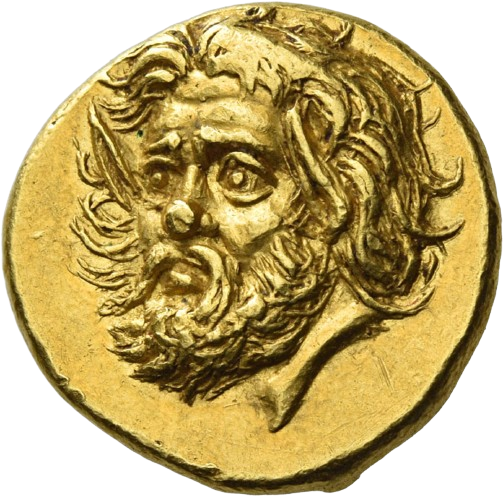
When you buy or sell a coin, one word matters more than almost any other: its grade. Grading describes a coin’s state of preservation, and it directly affects value — the same coin in worn condition versus mint condition can differ in price by many times. This guide explains the grading scale every collector should know.
What is coin grading?
Grading is the process of evaluating how much wear and damage a coin has suffered since it was struck. Two factors drive the grade: wear (loss of detail from circulation) and surface quality (scratches, marks, toning and eye appeal).
The grading scale
Collectors traditionally use descriptive grades, which also map to the 70-point Sheldon numeric scale used internationally:
- Poor / Fair (P-1 to FR-2) — barely identifiable, very heavy wear.
- Good (G-4 to G-6) — heavily worn; major designs visible but flat, rims worn.
- Very Good (VG-8 to VG-10) — worn but all major details clear.
- Fine (F-12 to F-15) — moderate even wear; lettering and details mostly sharp.
- Very Fine (VF-20 to VF-35) — light to moderate wear on high points; good detail.
- Extremely Fine (EF/XF-40 to XF-45) — slight wear only on the highest points; sharp detail.
- About Uncirculated (AU-50 to AU-58) — only a trace of wear; much original lustre remains.
- Mint State / Uncirculated (MS-60 to MS-70) — no wear at all; graded by surface marks and lustre, with MS-70 being flawless.
Why grade matters for value
Demand rises sharply with quality. A common coin in worn “Good” condition may be inexpensive, while the very same coin in “Mint State” can command a large premium because far fewer survived in pristine condition. For key dates, even a one-grade difference can mean a significant price jump.
Eye appeal and toning
Beyond technical wear, “eye appeal” influences value. Attractive natural toning, full lustre and a clean strike make a coin more desirable, while ugly spots, scratches or signs of cleaning reduce it — even at the same technical grade.
Never clean your coins
It bears repeating: harsh cleaning permanently lowers a coin’s grade and value. Experienced collectors prefer original, naturally-toned surfaces over a coin that has been polished bright.
Third-party grading
For valuable coins, professional grading services seal coins in tamper-evident holders (“slabs”) with a certified grade. This provides confidence and liquidity when buying or selling.
How we grade at Coinbazaar
Every item on Coinbazaar is described using these recognised standards, with high-resolution photographs so you can judge condition yourself before you buy. If you’re unsure about a grade, just ask our team.