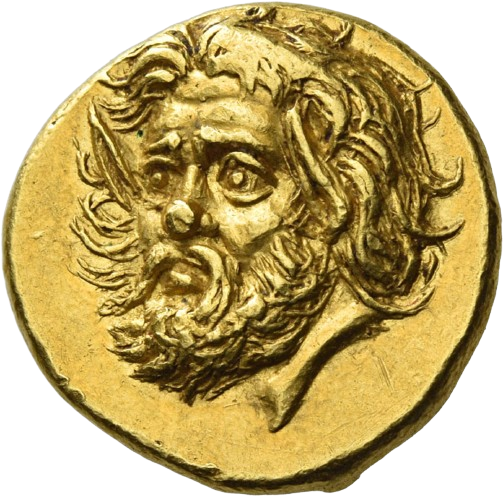
Few areas of collecting are as popular in India as the coins of British India. Struck between 1835 and 1947, these coins tell the story of an era and remain affordable enough for beginners while offering rarities that excite advanced collectors. Here’s what to look for.
A brief timeline
- East India Company (to 1858) — uniform coinage began in 1835 with the famous William IV and Victoria portraits.
- Queen Victoria (1858–1901) — after 1858 the Crown ruled directly; “Victoria Queen” and later “Victoria Empress” rupees are widely collected.
- Edward VII (1902–1910), George V (1911–1936) and George VI (1937–1947) — each monarch’s portrait series offers many dates and mint marks to pursue.
Key denominations to collect
- Copper / bronze: 1/12 anna, half pice, quarter anna, one pice — affordable and ideal for a date run.
- Nickel & cupro-nickel: one anna, two annas, the distinctive scalloped issues of George V and VI.
- Silver: quarter, half and one rupee — the backbone of any British India collection.
- Gold: the mohur and sovereign-style issues — the prestige rarities.
Mint marks matter
British India coins were struck at several mints, and a tiny mint mark beneath the date or on the reverse tells you where: Calcutta (no mark), Bombay (a small “B” or dot), Lahore (“L”), and others. For some dates, one mint is common and another is scarce — so always check the mint mark, not just the date.
Famous rarities and varieties
Collectors prize certain key dates and varieties — for example, particular years where mintage was low, or design varieties like the “pig” rupee nickname given to a poorly-engraved George V portrait. Learning these varieties is part of the fun and can turn an ordinary-looking coin into a valuable find.
Condition and value
Because millions of these coins circulated, well-worn examples are common and inexpensive. Value rises steeply with condition: a crisp Extremely Fine or Mint State example of a scarce date is where the real premiums lie. Silver coins with attractive natural toning are especially sought after.
Watch for fakes
High-value silver rupees and gold mohurs are among the most counterfeited Indian coins. Apply the checks in our guide on identifying genuine coins — weight, magnetism, and sharp struck detail — and buy only from sellers who guarantee authenticity.
Start your British India collection
Browse a curated, authenticated selection on Coinbazaar, where every British India coin is graded and photographed in detail. It’s an ideal series to begin with — rich in history, wide in choice, and rewarding at every budget.