Republic India Notes
Banknotes issued in India since it became a republic in 1950 — from the early Ashoka Pillar designs through to the Mahatma Gandhi series still in circulation.
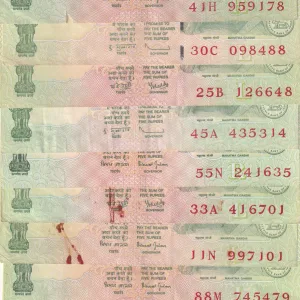
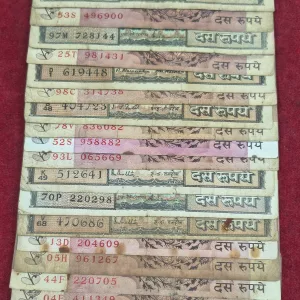
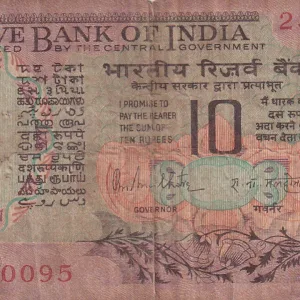
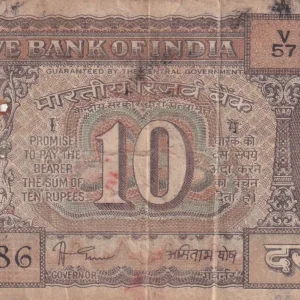
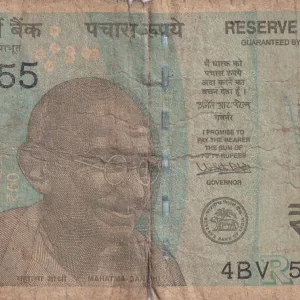
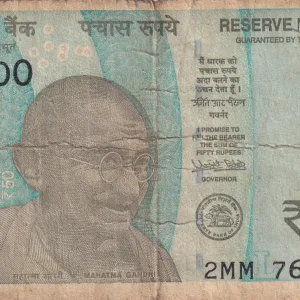
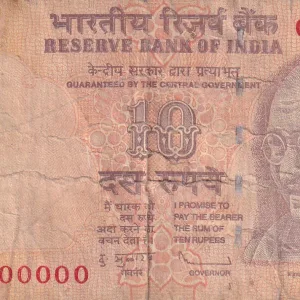
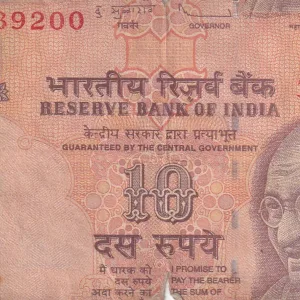
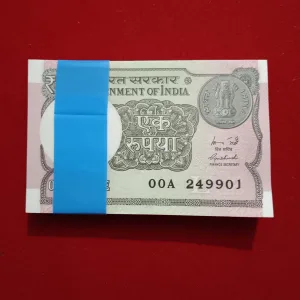
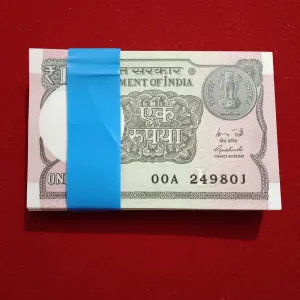
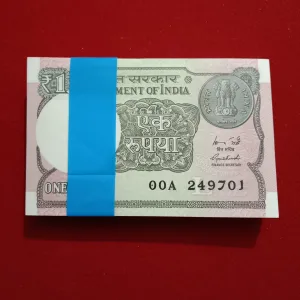
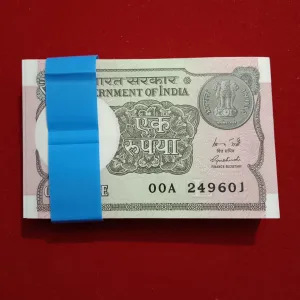
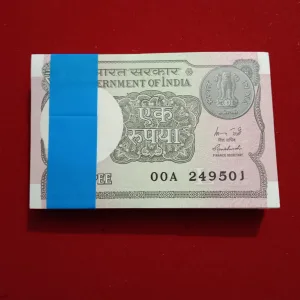
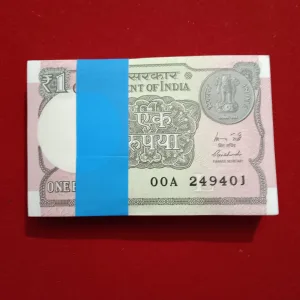
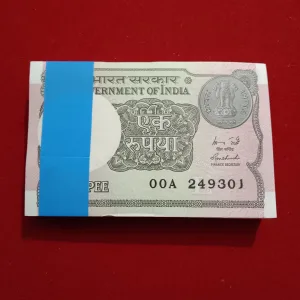
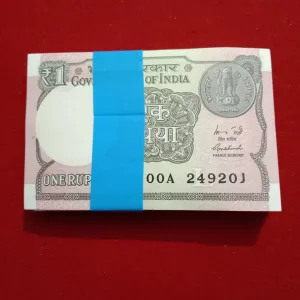
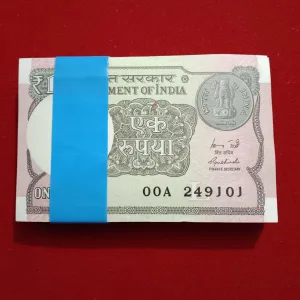
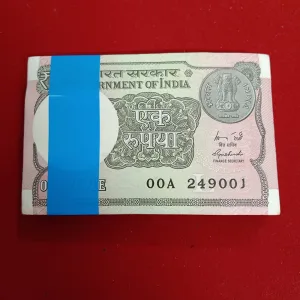
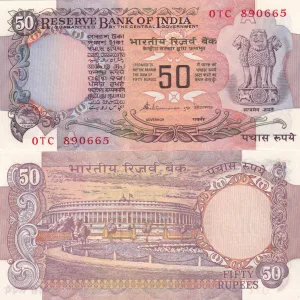
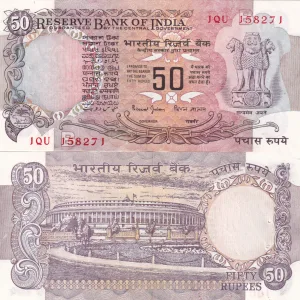
Collecting Republic India banknotes
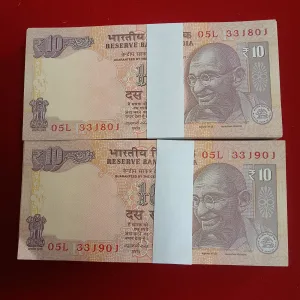
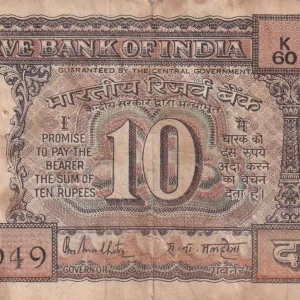
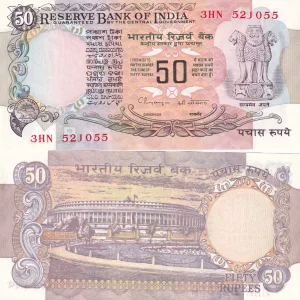
Republic India notes begin where British India paper money ends. After 26 January 1950 the portrait of King George VI was replaced by the Ashoka Pillar (Lion Capital) as the central design element, and the Reserve Bank of India continued to issue notes across the familiar denominations. From 1996 the Mahatma Gandhi series gradually replaced the earlier designs, and a revised Gandhi series followed in 2016.
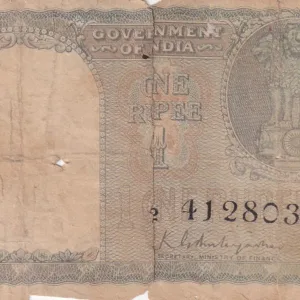
One quirk trips up most new collectors: the one rupee note is issued by the Government of India and carries the signature of the Finance Secretary, while every other denomination is issued by the Reserve Bank of India and carries the Governor's signature. That difference makes the one rupee note a distinct collecting thread of its own.
Ways collectors build a set
- By signature — each Governor's tenure produces its own notes, so a signature-wise set is the most common starting point.
- By inset letter — the small letter in the number panel distinguishes print runs within the same design.
- By series — early Ashoka Pillar issues, the 1996 Gandhi series, and the 2016 revision each have a distinct look.
- By condition — uncirculated notes with original paper crispness sit at the top of most collections.
Every note listed here is described and graded by the seller, and photographs show the actual note you receive.