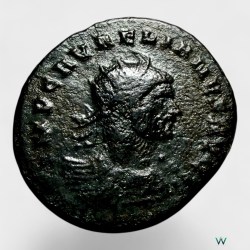
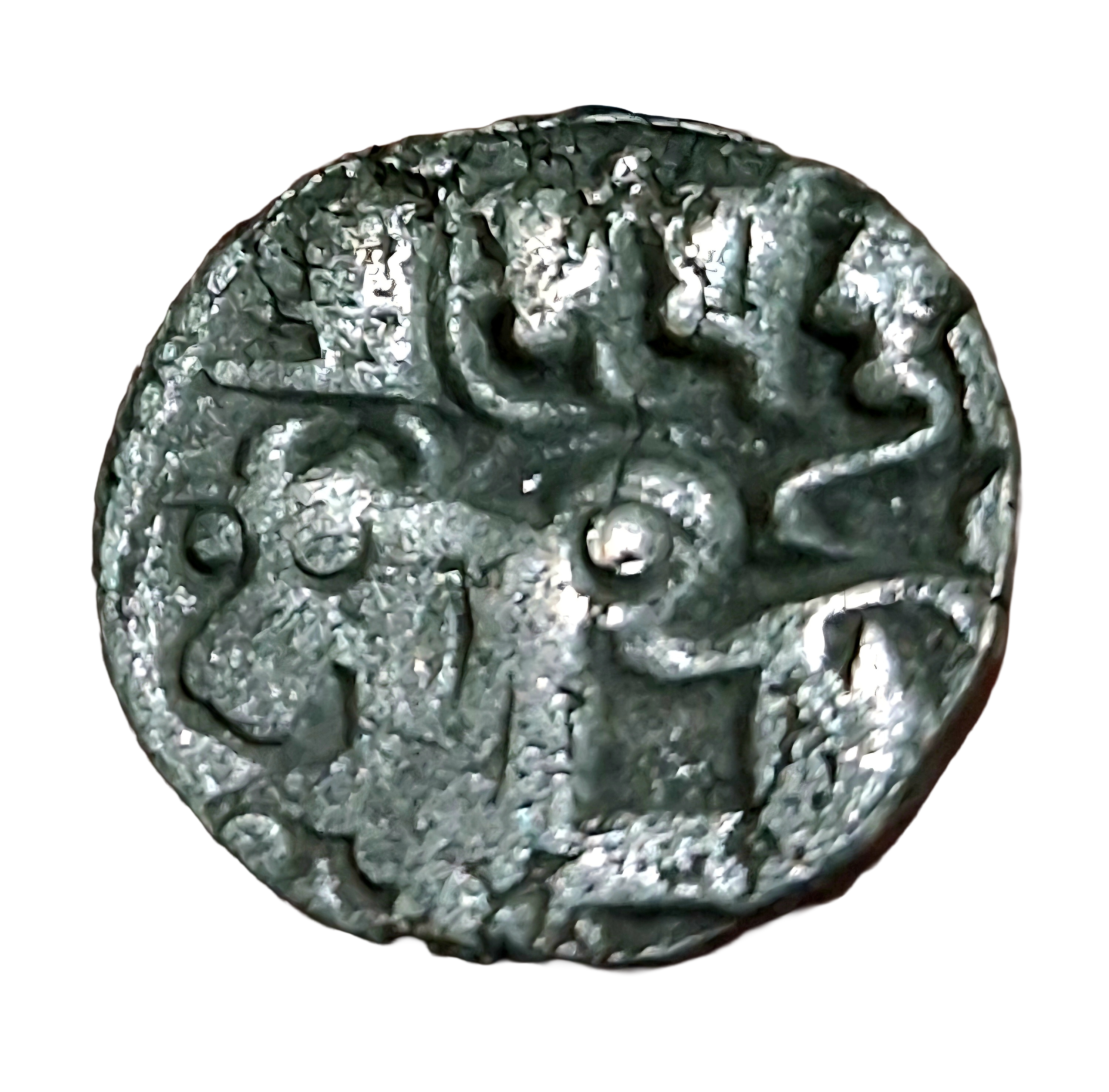

Ancient India Hindu Shahi Silver Jital Weight= 3.5g Approx Samantadeva (C.850-1,000 AD) in Collectable Grade.
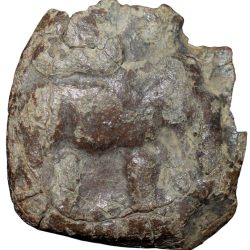
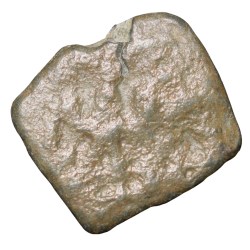
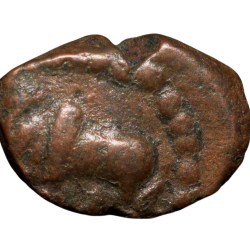
Obverse:- Recumbent Bull Facing Left with Full Sarada Legend ’Sri Samantadeva'
Reverse:- Rider on a Caparisoned Horse with Legend 'Ha' next to the Rider.
- Authentic Ancient India Hindu Shahi Silver Jital (c. 850-1,000 AD) ⭐
- Stunning design: Recumbent Bull & Rider on Caparisoned Horse 🐂🏇
- 100% Genuine Item ✅ Perfect for collectors and history buffs!
- Rarity and historical significance make it a valuable investment 💰
- Comes in collectible grade, ensuring its quality and appeal!
Description
Step into the rich tapestry of ancient history with the Ancient India Hindu Shahi Silver Jital, a remarkable collectible dating back to the era of Samantadeva (circa 850-1,000 AD). This exquisite coin, struck from high-quality silver and weighing approximately 3.5 grams, showcases the artistry and cultural significance of its time. The obverse features a majestic recumbent bull, elegantly positioned to the left, accompanied by the full Sarada legend ‘Sri Samantadeva.’ On the reverse, a rider on a caparisoned horse captivates the eye, with the distinctive legend 'Ha' close by, reflecting the intricate detail and symbolism valued by collectors.
This Jital is not just a coin; it represents a significant moment in Indian history, during the reign of the Hindu Shahi dynasty, known for its patronage of the arts and culture. Its collectible value is bolstered by its historical significance, rarity, and the fine craftsmanship evident in its design. Perfect for numismatists and history enthusiasts alike, this piece comes in collectible grade, making it a valuable addition to any collection. Whether you are an avid collector or looking for a unique gift, this coin encapsulates the allure of ancient India and is sure to spark conversations about its fascinating past.
7-Day Return & Refund: accepted only if the item delivered is not genuine or is the wrong item. Every piece is 100% authentic and offered at our lowest-price deal.
Related Products