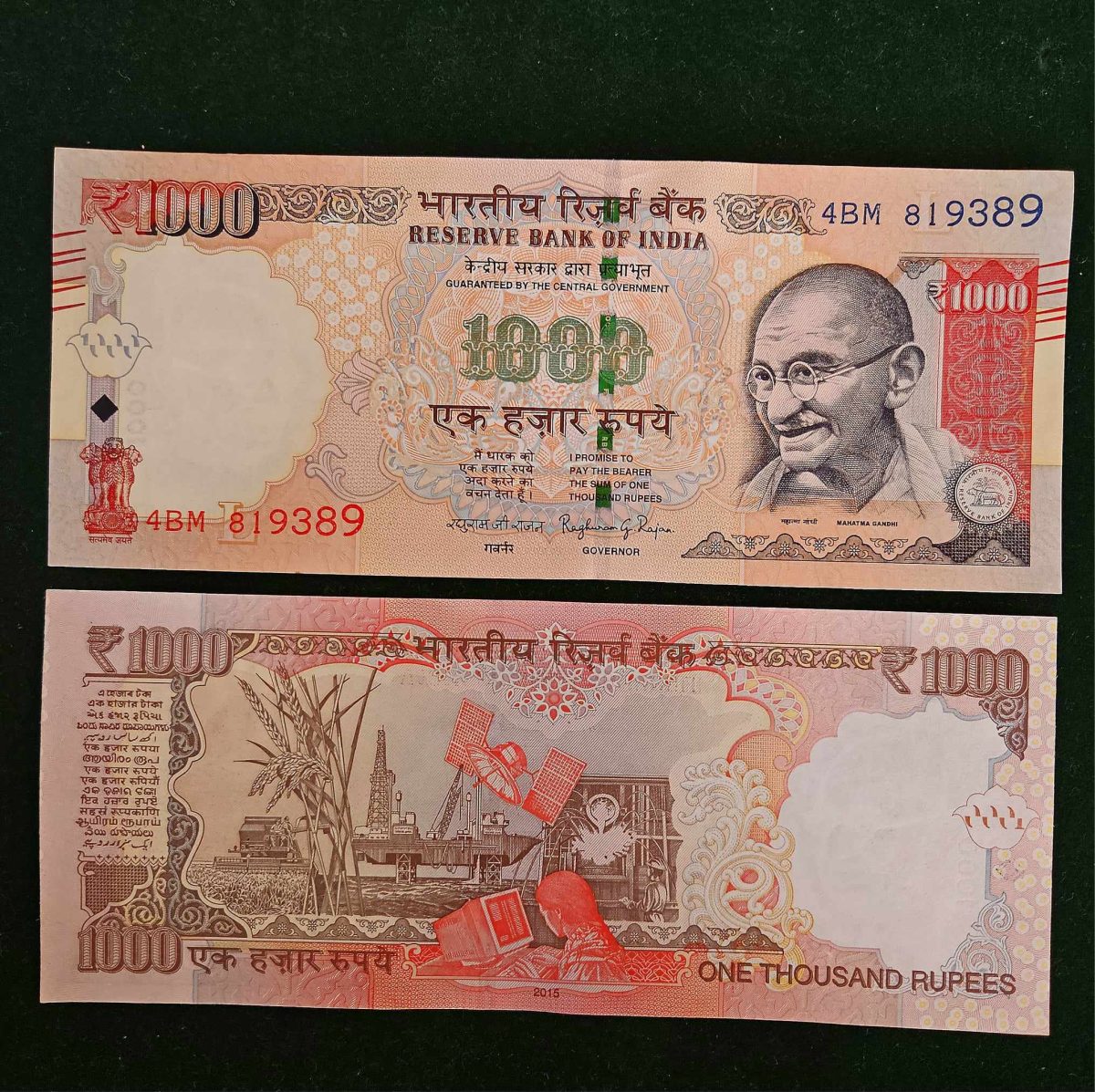
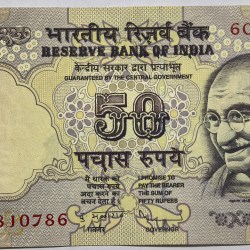
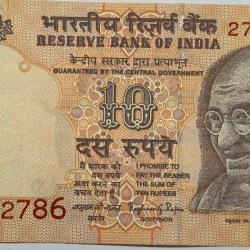
J53 - Rs 1000/- SIGNATURE SERIES Signed by RAGHURAM G RAJAN INSET L/T/B 2015 ISSUE
(ART OF BANKNOTE COLLECTION)
Collect a Little Piece of Economic History :-
People have been using coins for currency for thousands of years. The first coins date back in 650 B.C., so it’s no wonder old coins and banknotes draw so much interest. Banknotes are among the most popular collectors’ items in today’s era and in the collecting world overall.
Both amateur and experienced collectors are sure to find a fascinating array of banknotes, errors in banknotes, governor issues, star issues , banknote sheets , and so on.
What are some tips for collecting paper money?
Begin by focusing the collection and deciding what type of paper money you want to collect, such as currency from certain countries around the world or a specific era of time. Familiarize yourself with relevant historical facts so that you know which bills are valuable. Try to assemble complete sets. For example, choose specific notes that have a certain design them. Whenever possible, use the Friedberg numbering system, which is a detailed and fully illustrated guide for identifying currency notes.
How is paper money graded?
The physical condition of paper money greatly affects its value and collect ability.
Typically, paper money grade levels include Good, Very Good, Fine, Very Fine, Extra Fine, About Uncirculated, and Crisp Uncirculated standards.
Brand new, uncirculated paper money is the most desirable, and it has a firm, crisp texture without creases, folds, tears, or bent edges.
How should you care for a paper money collection?
When handling, storing, and caring for paper money, think of each piece as highly fragile. Wear gloves when handling the money to keep the natural oils from your fingers off the paper. Store the paper money in clear currency holders or albums made from acid-free materials. It is never a good idea to clean paper money, although you can consult a professional about removing damage, wear, and tear. Store paper money in a spot with low humidity and a neutral temperature, keeping it flat in protective holders, out of sunlight.
Delve into the rich world of Indian banknotes with the J53 Rs 1000 Signature Series issued in 2015, personally signed by the esteemed Raghuram G Rajan. This exquisite piece of economic history is a true gem for collectors and enthusiasts alike. The denomination of 1000 Rupees adds to its allure, while the inclusion of a rare signature by Rajan elevates its collectible value. Banknotes like these offer a unique glimpse into the past, showcasing the artistry and significance of currency in different eras. The meticulous detailing and historical context make this piece a must-have for anyone passionate about numismatics. With its special signature, this banknote stands out as a prized possession that captures a moment in India's economic narrative.